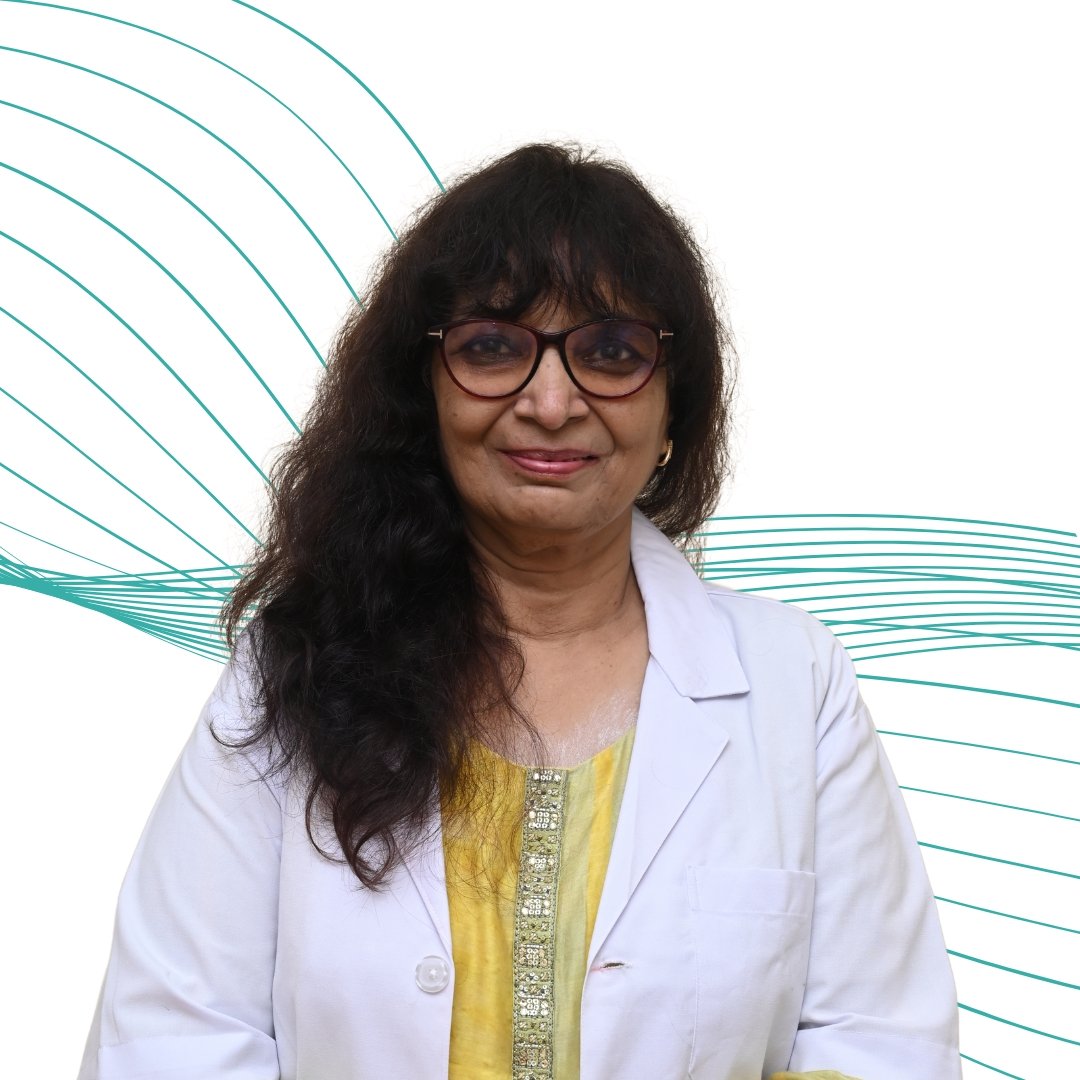
Dr. Nandita Agrawal
Ophthalmologist, MBBS,MS (Ophth)
Dr. Nandita Agrawal is a highly experienced ophthalmologist with an illustrious career spanning over 41 years. With an MBBS and an MS in Ophthalmology, Dr. Agrawal is a trusted expert in diagnosing and treating a wide range of eye conditions. Her decades of dedication to eye care reflect her commitment to providing precise and effective treatments, ensuring optimal vision and eye health for her patients.
About Eye Department
The Eye department is dedicated to providing comprehensive and cutting-edge ophthalmic care. Our team of highly experienced ophthalmologists and eye care specialists is committed to diagnosing, treating, and managing a wide range of eye conditions to enhance and preserve vision. We utilize the latest advancements in ophthalmic technology to deliver accurate diagnoses and effective treatments for conditions such as cataracts, glaucoma, and macular degeneration.
Our department offers a full spectrum of services, including routine eye exams, advanced imaging techniques, and surgical interventions. We specialize in both common and complex eye conditions, ensuring that each patient receives personalized care tailored to their specific needs. From corrective procedures like LASIK and lens implants to innovative treatments for retinal diseases, our goal is to provide the highest standard of care.
Patient education is a key focus of our practice. We take the time to explain diagnoses, treatment options, and preventive measures to empower our patients to make informed decisions about their eye health. Our compassionate approach ensures that patients feel supported and well-informed throughout their care journey.
In addition to treating existing conditions, we emphasize the importance of preventive care and regular eye exams to detect issues early and prevent vision loss. Our team is dedicated to staying at the forefront of ophthalmic research and technology, continually updating our practices to offer the most effective and advanced treatments available.
Diseases We Treat
Cataracts
A condition where the lens of the eye becomes cloudy, leading to decreased vision and glare. It is often age-related but can also result from trauma or certain medical conditions.
Glaucoma
A group of eye diseases characterized by increased intraocular pressure that can damage the optic nerve, potentially leading to vision loss and blindness if untreated.
Macular Degeneration
A progressive disease that affects the macula, the central part of the retina, leading to loss of central vision and difficulty with tasks such as reading and recognizing faces. It can be age-related (AMD) or associated with other factors.
Treatments We Offer
Pulmonary Rehabilitation
For older children, including breathing exercises and physical therapy to improve lung function
Hydration
Encouraging fluid intake to prevent dehydration, especially if mouth sores make eating and drinking difficult.
Fever Management
Using acetaminophen or ibuprofen to reduce fever and discomfort.
Nasal Suctioning
To clear mucus from the nasal passages and improve breathing.
Bronchodilators
Short-acting (SABAs) for quick relief of asthma symptoms, and long-acting (LABAs) for longer-term control.